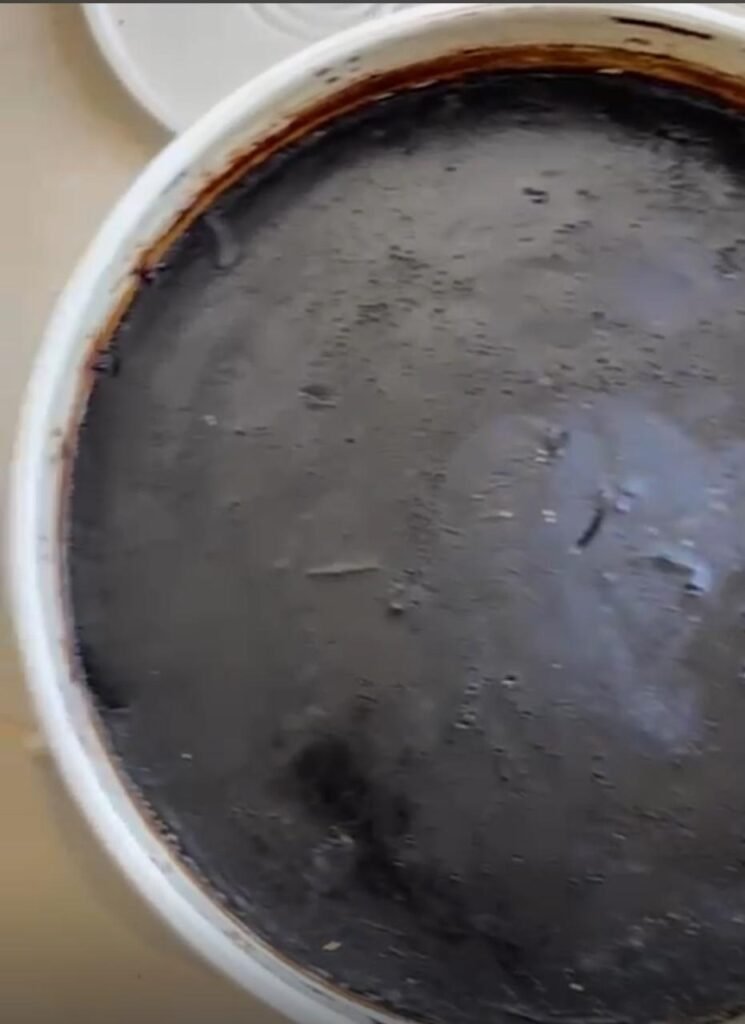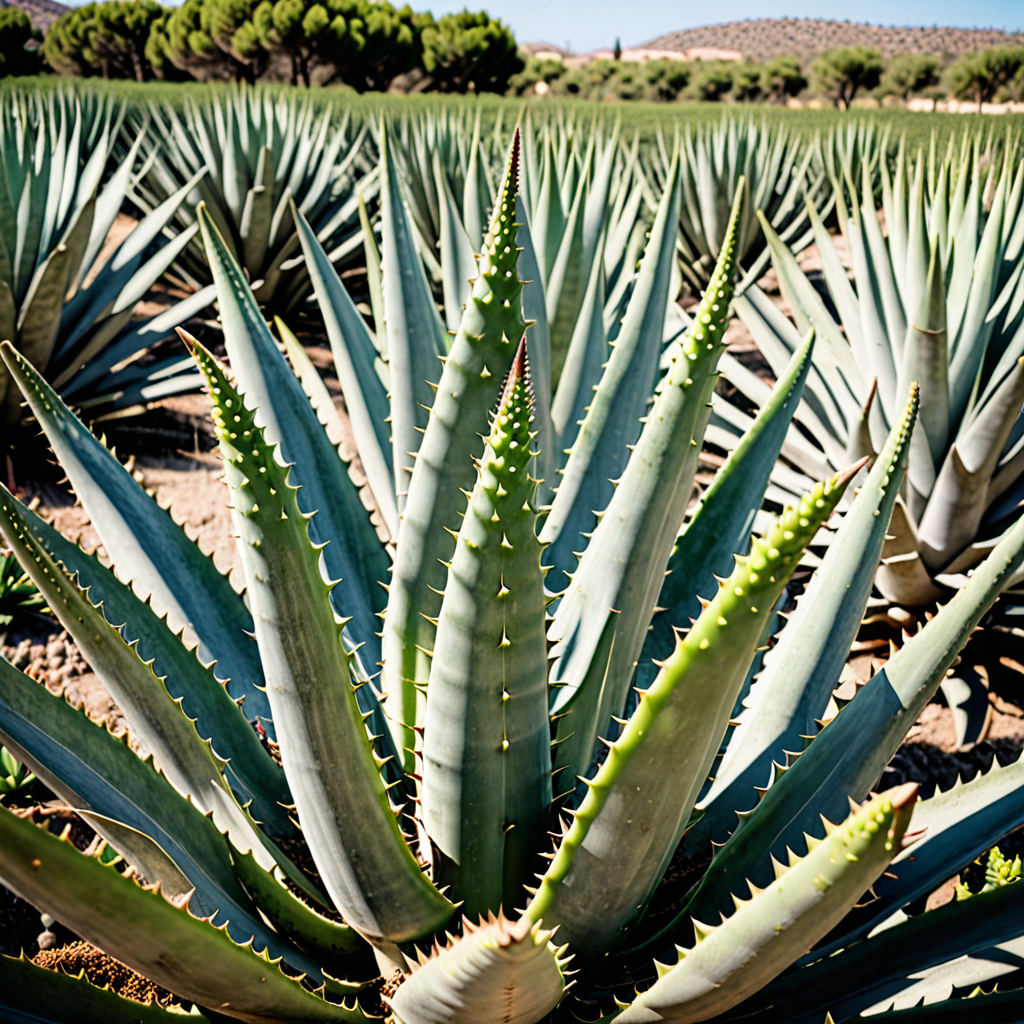
Extraction and Processing of Aloe Yellow Sap into Concentrated Paste

Aloe yellow sap (latex) contains aloin and other anthraquinones, which are used in pharmaceuticals, research, and some industrial applications. Below is a detailed breakdown of how aloe latex is extracted and processed into a concentrated paste.

1. Extraction of Aloe Latex

A. Harvesting and Preparation

  • Mature Aloe Leaves are selected (typically 3-5 years old for higher latex content).
  • The leaves are washed to remove dirt and debris. When the job is directly done at the aloe plantations, the cut aloe plants are placed in a gutter-type mold and there they begin to exude their sap.
  • When this job is done at the factory, the green rind is carefully sliced open to expose the inner leaf structure.

B. Collection of Yellow Sap (Latex)

  • The yellowish-brown latex oozes out from the pericyclic tubules (located just beneath the rind).
  • Methods to collect latex:
  • Manual Scraping: The sap is scraped off with a knife or blade.
  • Drip Collection: Leaves are hung vertically to let the latex drain into containers.
  • Pressing: Some industrial methods use mechanical pressing to extract more latex.

aloe yellow sap harvest - aloe latex harvest - aloe gum harvest

2. Processing into Concentrated Paste

A. Filtration & Purification

  • The raw latex is filtered to remove plant debris and impurities.
  • Activated charcoal or clay filtration may be used to remove excess pigments.

B. Concentration (Evaporation & Drying)

Low-Heat Evaporation

  • The liquid latex is gently heated (≤60°C / 140°F) to evaporate water, increasing concentration.
  • This prevents degradation of active compounds like aloin.

Spray Drying (Industrial Method)

  • The latex is spray-dried into a fine powder, which can later be reconstituted into paste.

Freeze Drying (For High-Purity Extracts)

  • Used in pharmaceutical-grade processing to preserve potency.
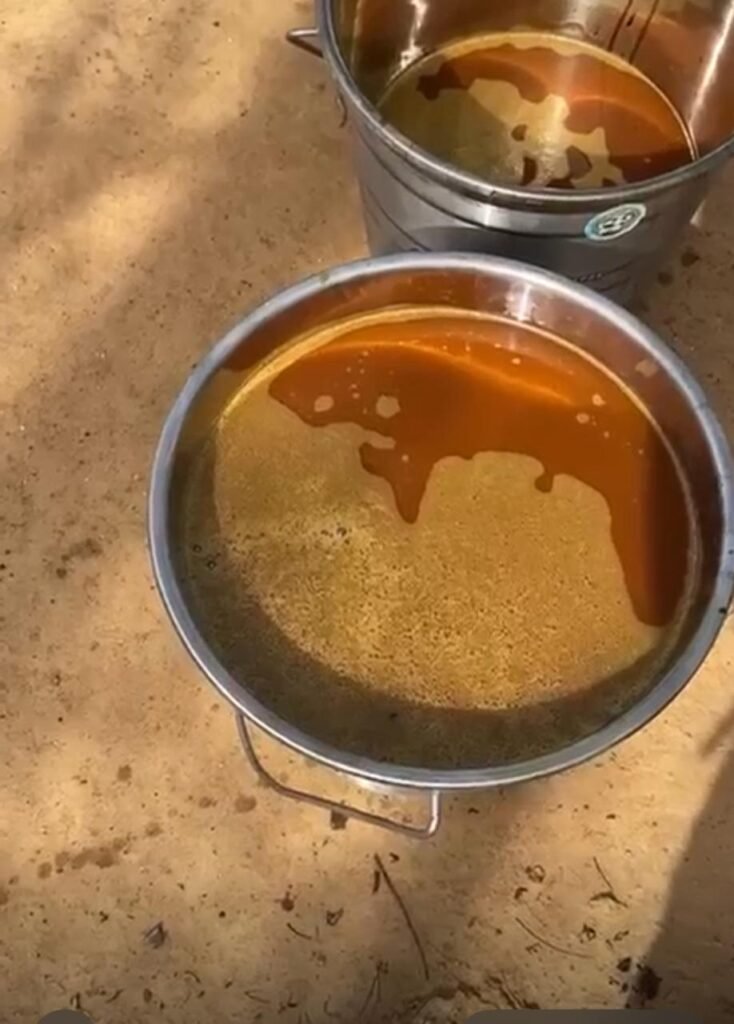
aloe yellow sap harvested

C. Final Paste Formation

  • The concentrated liquid is further thickened into a paste using:
  • Natural evaporation (sun drying in controlled conditions).
  • Addition of stabilizers (e.g., glycerin) for commercial products.

3. Industrial Refinement (Optional)

  • Decolorization: If a lighter-colored paste is needed, additional filtration with activated carbon is used.
  • Standardization: The aloin content is measured and adjusted for consistency (important for pharmaceutical use).

4. Uses of Concentrated Aloe Latex Paste

IndustryApplicationNotes
PharmaceuticalLaxative formulations (regulated)Requires strict purity controls
CosmeticExfoliating agents, antifungal treatmentsUsed in minimal amounts
AgricultureNatural pesticide, livestock digestion aidMust be diluted properly
Bitter BeveragesAs a bitter agentPaste or concentrate used
Main uses
CONCENTRATED ALOE SAP

5. Safety & Regulatory Considerations

Within FDA Regulations, aloin is banned in oral supplements in the U.S. (2018 FDA ruling), but allowed in topical cosmetics but restricted in concentration. Usually the limit is 10 PPM.

In the particular case of the European Union, the EU has established a maximum level of 1 ppm (part per million) for certain hydroxyanthracene derivatives (HADs), including aloe-emodin, emodin, and the sum of aloin A and aloin B, in aloe vera preparations used in food and food supplements. This regulation, specifically Regulation (EU) 2021/468, aimed to ensure food safety by limiting the presence of these potentially harmful substances. 

These HADs are naturally occurring compounds found in aloe vera, particularly in the outer layers of the leaf. This Regulation (EU) 2021/468, which came into effect on April 8, 2021, prohibited the use of aloe preparations containing HADs in food and food supplements. The regulation mentioned that some HADs, like aloe-emodin and aloin, have been associated with potential health risks, including laxative effects and potential carcinogenic properties. 

For the purpose of implementing the prohibition, the EU considered aloe preparations to “contain” HADs when the total aloin (A + B) present is > 1 ppm. This is also the lowest level that can be reliably quantified in laboratories. 

However, the Regulation (EU) 2021/468, which restricted certain plant-based food and food supplements containing hydroxyanthracene derivatives (HADs), has been partially annulled by the European Court of Justice (ECJ). 

The ECJ’s decision, specifically in case T-274/21, invalidated key sections of the regulation, impacting restrictions on aloe-emodin, emodin, and preparations from Aloe species leaves containing HADs. 

The ECJ found that the European Commission’s interpretation of Article 8 of Regulation No 1925/2006, which was the basis for the restrictions, was inappropriate when applied to herbal “preparations”. 

In essence, while the regulation (EU) 2021/468 set a 1 ppm limit for aloin in aloe preparations, that regulation has been annulled by the European Court of Justice, and those restrictions are no longer in place. 

Conclusion

Aloe latex is extracted by collecting the yellow sap from the leaf’s outer layers, then processed into a concentrated paste through filtration, evaporation, and drying.

For more information please visit the concentrated aloe yellow sap specific page.
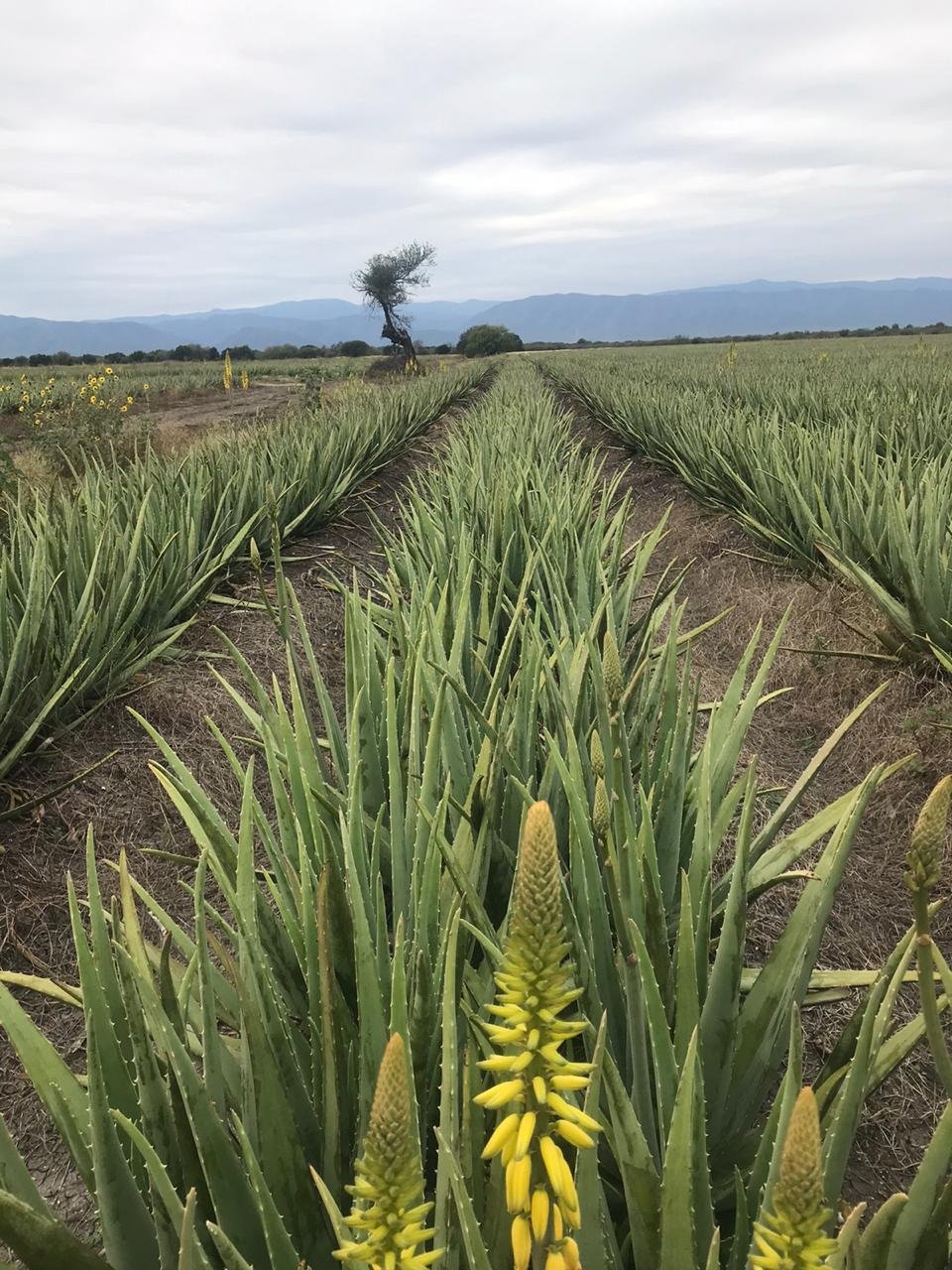
Aloe Vera INCI Names and Aloe Vera CAS Numbers

aloe vera

Aloe Vera INCI Names and Aloe Vera CAS Numbers

There is often misinformation regarding the way aloe vera products are defined. However, there are two very simple methods for conceptually defining a product.

In one case, the cosmetics industry has a catalog of product names used as ingredients in the cosmetics industry. We refer to INCI names (International Nomenclature of Cosmetic Ingredients). These are systematic names internationally recognized to identify cosmetic ingredients.

In the second case, we have CAS numbers. A CAS number, also known as a CAS Registry Number (CAS RN), is a unique numerical identifier assigned to a specific chemical substance or molecular structure. It serves as a global standard for identifying chemicals, ensuring clarity and precision in scientific and regulatory contexts.

Below is a description of the INCI names and CAS numbers applicable to aloe vera products.

aloe vera
aloe vera

Aloe Vera INCI Names

The INCI name for Aloe Vera is Aloe Barbadensis Leaf Juice or Aloe Barbadensis Leaf Extract. Sometimes, it can also be listed as simply Aloe Barbadensis. The plant’s full botanical name is Aloe Barbadensis Miller.

The INCI name for aloe vera extract is Aloe Barbadensis Leaf Extract. This name is used to identify the ingredient in cosmetic and personal care product formulations. 

The INCI name for aloe gel, including aloe vera gel, is Aloe Barbadensis Leaf Juice. This is the standardized name used in cosmetic and personal care product ingredient lists to identify the gel derived from the leaves of the Aloe Barbadensis Miller plant. 

The INCI name for aloe vera juice is Aloe Barbadensis Leaf Juice. This name is used to identify the ingredient in cosmetic and personal care products. It refers to the liquid extract obtained from the inner gel of the aloe vera leaf. 

The INCI name for Aloe Barbadensis Leaf Extract is Aloe Barbadensis Leaf Extract. This is the standard name used in cosmetic and personal care product ingredient lists to identify the extract derived from the leaves of the Aloe barbadensis plant. 

The INCI name for Aloe Vera Oil is Aloe Barbadensis Leaf Extract. This is the internationally recognized name for the ingredient as used in cosmetic and personal care products. In some cases, depending on the extraction process and the solvents used, the INCI declaration may also include the solvent and the extracted proportion. It may also be listed as part of a larger INCI name, such as in combination with a carrier oil like Jojoba Seed Oil or Soybean Oil. 

Key points about INCI names:

  • Standardization: INCI names provide a uniform way to identify cosmetic ingredients, regardless of the language or country. 
  • Transparency: They allow consumers, manufacturers, and regulators to easily understand the ingredients in a product. 
  • Labeling: INCI names are used on product labels to comply with regulations in many countries. 
  • Not a guarantee of safety: While INCI names are crucial for labeling and identification, they do not guarantee the safety or suitability of an ingredient for use in cosmetics. 

CAS Numbers for Aloe Vera

The CAS number for Aloe Vera juice, specifically referring to the extract from the leaves, is 85507-69-3. This number identifies the substance in chemical databases and is used for regulatory and scientific purposes. 

CAS number 85507-69-3 it’s a UVCB (Unknown or Variable composition, Complex reaction products, or Biological materials) substance, meaning it doesn’t have a single molecular formula. This extract, derived from the Aloe vera plant, is known for its diverse applications in cosmetics, pharmaceuticals, and dietary supplements. 

While some sources may list other related CAS numbers, such as 94349-62-9, 85507-69-3 is the most commonly associated and used CAS number for Aloe Vera extract, including the juice. This number specifically refers to “Extractives and their physically modified derivatives such as tinctures, concretes, absolutes, essential oils, oleoresins, terpenes, terpene-free fractions, distillates, residues, etc., obtained from Aloe vera, Liliaceae”. 

Instead, the CAS number 94349-62-9 refers to Aloe Barbadensis Flower Extract, an extract of the flowers of the Aloe barbadensis plant, also known as Aloe vera. This CAS number is often associated with the INCI name ALOE BARBADENSIS FLOWER EXTRACT. It is commonly used in cosmetic and personal care products. 

The CAS number for Aloe Vera gel is 8001-97-6. This number is used to identify the specific chemical or substance in scientific and industrial contexts. CAS number 8001-97-6 refers to Aloe Barbadensis Leaf, commonly known as aloe vera. It is a plant material derived from the leaves of the aloe plant. 

More specifically, CAS 8001-97-6 is used to identify various aloe vera products, including: Aloe Vera Gel, Aloe Vera Leaf Extract, Aloe Vera Powder, and Aloe Extract (Aloe spp.). 

Other CAS numbers, such as 85507-69-3 and 714950-07-9, may also be associated with Aloe Vera, potentially referring to different forms or preparations of the gel. 

The CAS number 714950-07-9 refers to Aloe Vera Gel. It is the mucilage obtained from Aloe Vera leaves. Other names or synonyms include “ALOE VERA GEL”. 

The CAS number for Aloe vera, specifically referring to Aloe vera extract, is 85507-69-3. This number is used to identify the substance in scientific and industrial contexts. 

The CAS numbers for Aloe Barbadensis Leaf Extract are 85507-69-3 and 94349-62-9. This ingredient is commonly known as Aloe Vera leaf extract. It is widely used in cosmetics and skincare products due to its beneficial properties like antioxidant and moisturizing effects. 

The CAS number for Aloe Vera extract is 85507-69-3. This number identifies the specific substance in chemical databases and is used for regulatory and identification purposes. 

The CAS number for Aloe Vera oil is 100084-89-7. This number is used to uniquely identify the substance in chemical databases and is often used in research and product information. It is also known as Aloe capensis oil. This natural oil is extracted from the Aloe vera plant and is used for its potential cosmetic and medicinal properties. 

The yellow sap of the aloe plant is known as aloin or aloe latex, and it is a component of the aloe extract. The CAS Number for aloin is 1415-73-2, while the CAS Number for the general aloe barbadensis extract, which includes the leaf juice and sometimes the latex, is 85507-69-3

Here are some comments to help you better understand how CAS numbers work.

  • Purpose:CAS numbers eliminate ambiguity when identifying chemical substances, as many compounds have multiple names or synonyms. 
  • Structure:They are typically a series of up to ten digits, divided by hyphens into three parts. 
  • Assignment:The Chemical Abstracts Service (CAS), a division of the American Chemical Society, assigns these unique identifiers. 
  • Global Use:CAS numbers are used internationally by scientists, regulators, and industry professionals to identify, track, and manage chemicals. 
  • Database Indexing:CAS numbers are used to index chemical substances within the CAS Registry, a comprehensive database of chemical information. 
  • No Chemical Significance:While they identify substances, CAS numbers themselves don’t contain any chemical information about the substance. 
  • Importance:They are crucial for regulatory compliance, safety, and accurate communication about chemical substances. 

For any additional information please contact us.

Contact
Contact